_edited.png)
Navigating Postpartum Depression with Support: A Guide to Postpartum Mental Health Resources
- MISS MOMINSTYLESTORE PVT LTD
- Mar 31
- 4 min read
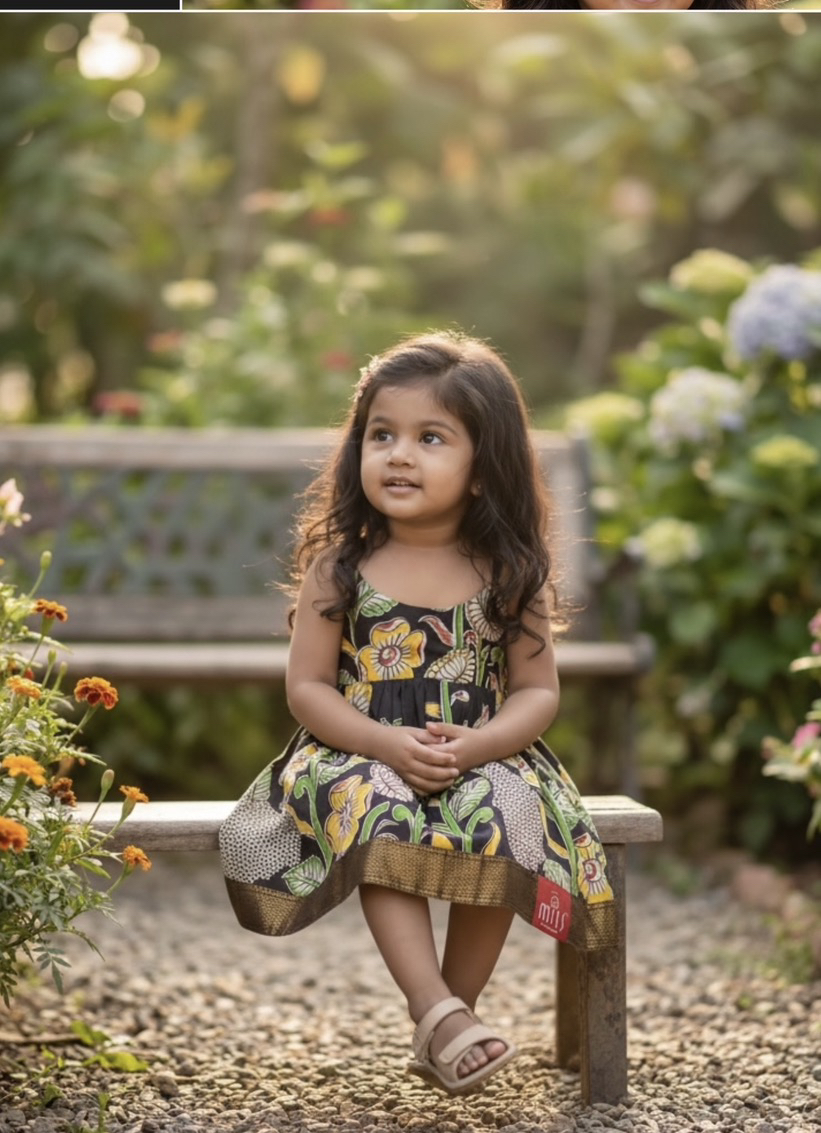
Welcoming a new life into the world is a beautiful and transformative experience. Yet, for many mothers, this joyous time can also bring unexpected emotional challenges. Postpartum depression (PPD) affects a significant number of new mothers, and understanding how to navigate it with the right support is crucial. As someone who has walked this path, I want to share insights and practical advice on managing postpartum depression while embracing the cultural richness of Indian festivals and family occasions that bring warmth and connection during this phase.
Understanding Postpartum Depression and Postpartum Mental Health Resources
Postpartum depression is more than just the "baby blues." It is a serious mood disorder that can affect mothers after childbirth, characterized by feelings of sadness, anxiety, fatigue, and sometimes even hopelessness. Recognizing the symptoms early and seeking help is vital for both mother and baby.
In India, where family and community play a central role, postpartum mental health resources are becoming increasingly accessible. These include counseling services, support groups, and online platforms tailored to new mothers. Many hospitals and maternity clinics now offer mental health screenings as part of postpartum care, which is a positive step toward early intervention.
Key symptoms to watch for include:
Persistent sadness or low mood
Loss of interest in activities once enjoyed
Difficulty bonding with the baby
Changes in appetite or sleep patterns
Feelings of guilt or worthlessness
Anxiety or panic attacks
If you or someone you know is experiencing these symptoms, reaching out for help is the first step toward healing.

The Role of Family and Festive Traditions in Healing
In Indian culture, festivals like Diwali, Navratri, and Raksha Bandhan are not just celebrations but opportunities for family bonding and emotional support. These occasions can provide a comforting backdrop for mothers dealing with postpartum depression.
Family members can play a crucial role by offering practical help and emotional encouragement. Simple acts like preparing traditional meals, involving the mother in light festive activities, or gifting her comfortable maternity wear can uplift her spirits. Wearing ethnic clothing that is both stylish and comfortable, such as those from MISS Motherhood / MISS Maternity Wear, can help new mothers feel beautiful and connected to their cultural roots during these special times.
Practical ways families can support include:
Assisting with household chores to reduce stress
Encouraging rest and self-care
Including the mother in family rituals at her own pace
Offering gentle companionship without pressure
These gestures create a nurturing environment that fosters recovery and strengthens family bonds.
How can I help my postpartum depression?
Supporting yourself through postpartum depression involves a combination of self-care, professional help, and community support. Here are some actionable steps that have helped me and many others:
Seek Professional Guidance
Consult a healthcare provider or a mental health specialist who understands postpartum issues. Therapy, counseling, or medication may be recommended based on individual needs.
Build a Support Network
Connect with other mothers through support groups, either in person or online. Sharing experiences can reduce feelings of isolation.
Prioritize Rest and Nutrition
Sleep deprivation worsens symptoms, so try to rest whenever possible. Eating balanced meals, especially traditional nutritious foods, supports physical and mental health.
Engage in Gentle Physical Activity
Activities like walking or postnatal yoga can improve mood and energy levels.
Practice Mindfulness and Relaxation
Meditation, deep breathing, or listening to calming music can help manage anxiety.
Celebrate Small Wins
Acknowledge progress, no matter how small. Dressing in comfortable, beautiful maternity wear can boost confidence and mood.
Remember, healing is a journey, and it’s okay to ask for help along the way.

Integrating Postpartum Care with Festive and Family Occasions
The Indian calendar is filled with festivals and family events that offer natural opportunities for joy and connection. Integrating postpartum care with these occasions can be both healing and empowering.
For example, during Diwali, decorating the home with lights and flowers can create a positive atmosphere. Participating in light rituals or simply enjoying the festive meals with family can provide a sense of normalcy and celebration. Wearing ethnic maternity wear that blends tradition with comfort allows mothers to feel included without added stress.
Similarly, baby showers and gifting seasons are perfect moments to receive thoughtful presents that support postpartum recovery, such as soft nursing clothes, soothing teas, or wellness kits.
Tips for combining postpartum care with festivities:
Set realistic expectations for participation
Communicate your needs clearly to family members
Choose comfortable clothing that suits the occasion
Take breaks when needed to avoid overwhelm
This balanced approach helps maintain emotional well-being while honoring cultural traditions.
Embracing Support and Moving Forward
Navigating postpartum depression is challenging, but with the right support, it is possible to find light and strength. Remember that you are not alone, and many resources are available to help you through this time.
If you are looking for postpartum depression support tailored to your needs, don’t hesitate to reach out. Whether through professional care, family love, or community connections, support is the key to healing.
As you embrace motherhood, allow yourself grace and patience. Celebrate your journey with comfort and style, choosing maternity wear that honors your body and spirit. Festivals, family moments, and self-care can all be part of your path to wellness.
May this season of life bring you peace, joy, and renewed strength.
Thank you for reading. If you found this helpful, consider sharing it with other mothers who might benefit from this guidance. Together, we can create a supportive community that uplifts every mother’s postpartum journey.



Comments