_edited.png)
Navigating Postpartum Depression with Support: A Guide to Postpartum Mental Health Resources
- MISS MOMINSTYLESTORE PVT LTD
- Mar 31
- 4 min read
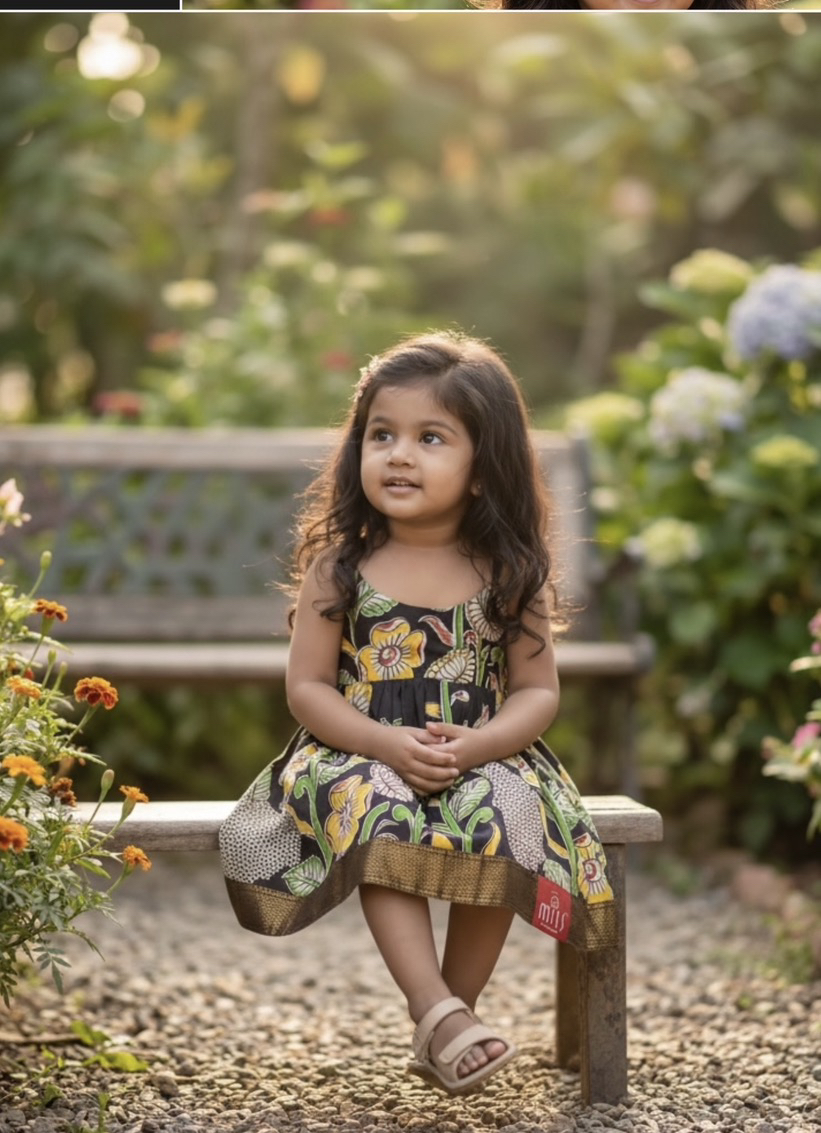
Welcoming a new life into the world is a beautiful and transformative experience. Yet, it can also bring unexpected emotional challenges. Postpartum depression (PPD) affects many new mothers, and understanding how to navigate this phase with the right support is crucial. As someone who has experienced the ups and downs of motherhood, I want to share insights and practical advice on managing postpartum depression while embracing the joy of this special time.
Understanding Postpartum Depression and Its Impact
Postpartum depression is more than just the "baby blues." It is a serious mood disorder that can affect mothers after childbirth. Symptoms may include persistent sadness, anxiety, irritability, fatigue, and difficulty bonding with the baby. These feelings can interfere with daily life and the ability to care for oneself and the newborn.
In India, where family and cultural expectations are deeply rooted, mothers may feel additional pressure to appear joyful and strong, especially during festive seasons like Diwali, Navratri, or wedding celebrations. This can make it harder to speak openly about mental health struggles. Recognizing the signs early and seeking help is essential for recovery.
Why Postpartum Mental Health Resources Matter
Access to postpartum mental health resources can make a significant difference. These resources provide education, counseling, and community support tailored to new mothers' unique needs. They help break the stigma around mental health and empower women to prioritize their well-being.
For example, many hospitals and clinics now offer postpartum counseling sessions. Online support groups and helplines are also valuable, especially for mothers who may not have easy access to in-person care. Connecting with others who understand your experience can be incredibly comforting.

Postpartum Mental Health Resources: Where to Find Help
Finding the right postpartum mental health resources can feel overwhelming, but there are several avenues to explore:
Healthcare Providers: Your obstetrician, pediatrician, or family doctor can screen for postpartum depression and refer you to specialists.
Counseling and Therapy: Licensed therapists specializing in maternal mental health can offer individual or group therapy sessions.
Support Groups: Local or online groups provide a safe space to share experiences and coping strategies.
Community Health Programs: Many NGOs and government initiatives in India focus on maternal health and offer free or low-cost support.
Educational Materials: Books, articles, and videos can help you understand PPD and learn self-care techniques.
During festive seasons like Raksha Bandhan or Christmas, community centers often organize workshops and gatherings for mothers, which can be a great way to connect and find support.

How Can I Help My Postpartum Depression?
Taking active steps to manage postpartum depression is vital. Here are some practical ways to help yourself during this time:
Reach Out for Support: Don’t hesitate to ask for help from family, friends, or professionals. Sharing your feelings can lighten the emotional load.
Prioritize Rest and Nutrition: Your body needs time to heal. Eat balanced meals and try to rest whenever possible, even if it means napping when the baby sleeps.
Stay Active: Gentle exercise like walking or yoga can boost your mood and energy levels.
Practice Mindfulness and Relaxation: Techniques such as meditation, deep breathing, or listening to calming music can reduce anxiety.
Set Realistic Expectations: It’s okay not to be perfect. Focus on small achievements and celebrate progress.
Wear Comfortable and Stylish Clothing: Feeling good in your clothes can improve your confidence. Choose maternity and postpartum wear that supports your body and makes you feel beautiful, especially during family gatherings and festive occasions.
Create a Routine: Structure your day to include self-care, baby care, and rest. Consistency can provide a sense of control.
If symptoms persist or worsen, consult a healthcare professional promptly. Remember, seeking help is a sign of strength, not weakness.
Embracing Festive Seasons with Care and Comfort
In India, festivals and family events are times of joy but can also bring added stress for new mothers. Balancing celebrations with your mental health needs is important.
Plan Ahead: Communicate your needs to family members. Let them know if you need breaks or assistance.
Choose Comfortable Ethnic Wear: Opt for maternity and postpartum ethnic clothing that allows ease of movement and comfort without compromising style. This can help you feel included and confident during festivities.
Accept Help Graciously: Family members often want to support you. Allow them to assist with household chores or baby care.
Limit Overcommitment: It’s okay to say no to some events or activities to protect your well-being.
Incorporate Relaxation Time: After celebrations, take time to rest and recharge.
By integrating these practices, you can enjoy the festive spirit while nurturing your mental health.
Building a Supportive Environment for Healing
Creating a nurturing environment is key to overcoming postpartum depression. Here are some ways to foster support around you:
Educate Your Family: Help them understand postpartum depression and how they can assist.
Connect with Other Mothers: Sharing experiences with peers can reduce feelings of isolation.
Use Technology: Apps and online forums can provide 24/7 support and resources.
Celebrate Small Wins: Acknowledge your efforts and progress regularly.
Incorporate Spiritual or Cultural Practices: Many find comfort in prayer, meditation, or traditional rituals, especially during Indian festivals.
Remember, healing is a journey. Surrounding yourself with understanding and compassion makes the path smoother.
For those seeking additional help, postpartum depression support is available through various organizations dedicated to maternal mental health.
Moving Forward with Strength and Style
Navigating postpartum depression is challenging, but with the right support and self-care, it is possible to regain balance and joy. Embracing your motherhood journey with compassion and practical strategies empowers you to thrive.
As you celebrate milestones, festivals, and family moments, remember to honor your feelings and needs. Choose clothing that makes you feel comfortable and beautiful, and lean on your support network. Together, these steps create a foundation for healing and happiness.
Motherhood is a remarkable journey - one that deserves to be experienced with strength, style, and support.



Comments